Qatari companies unveil new USVs as Iran skips 2026 DIMDEX naval expo
New on the Middle East Defense Digest: Drone boats, the Qatari defense industry and foreign ships make their mark in Doha.
David Massey sat down with Breaking Defense in DIMDEX in Qatar and explained how medium-sized USVs are already old hat.
“We're focused much more on what is made in Qatar, things that we've developed and produced here locally," Barzan Chief Commercial Officer Omar Al Qadi told Breaking Defense.
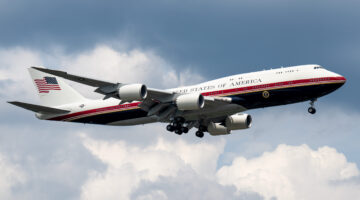
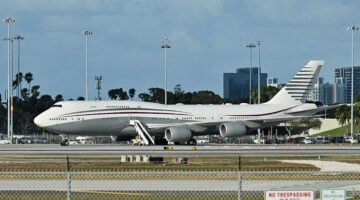
The controversial aircraft donated by the Qatari government is set to transport the Commander-in-Chief after less than a year of modification work, according to the Air Force.
One analyst said it's no surprise Doha may not welcome Tehran, months after the Islamic Republic targeted a US military base in Qatar.
USVs are proving popular items to show off at DIMDEX.
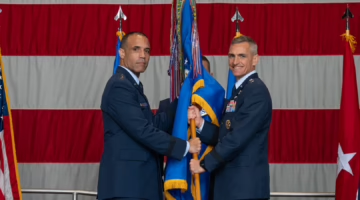
AFCENT commander Lt. Gen Derek France expected the new cell to strengthen integrated air and missile defenses throughout the region.
There was no shortage of news in the Middle East in 2025.
The service is spending $400 million on the pair of jumbo jets for training and spares.
The new date marks some progress for the beleaguered Air Force One program, whose challenges have cost Boeing billions of dollars.
Breaking Defense's Agnes Helou walks you through the latest headlines from the region in this month's edition of the Middle East Defense Digest.
“The establishment of the new air base in the US is a strategic move that enhances Qatar's influence in the United States while simultaneously keeping potential political tensions with the US administration at bay, and strengthening personal ties with Trump,” one expert told Breaking Defense.
Lt. Gen. Derek France said that the US was caught off guard by an Israeli strike on Qatar in part because sensing capabilities were focused on other targets like Iran, adding the Israeli attack “wasn’t something that we expected.”
"The recent attacks have intensified debates on collective Gulf security, exposing critical air and missile defense gaps,” retired Kuwaiti air force Col. Zafer Al Ajami told Breaking Defense, adding that "political divisions may hinder a formal Arab-NATO."